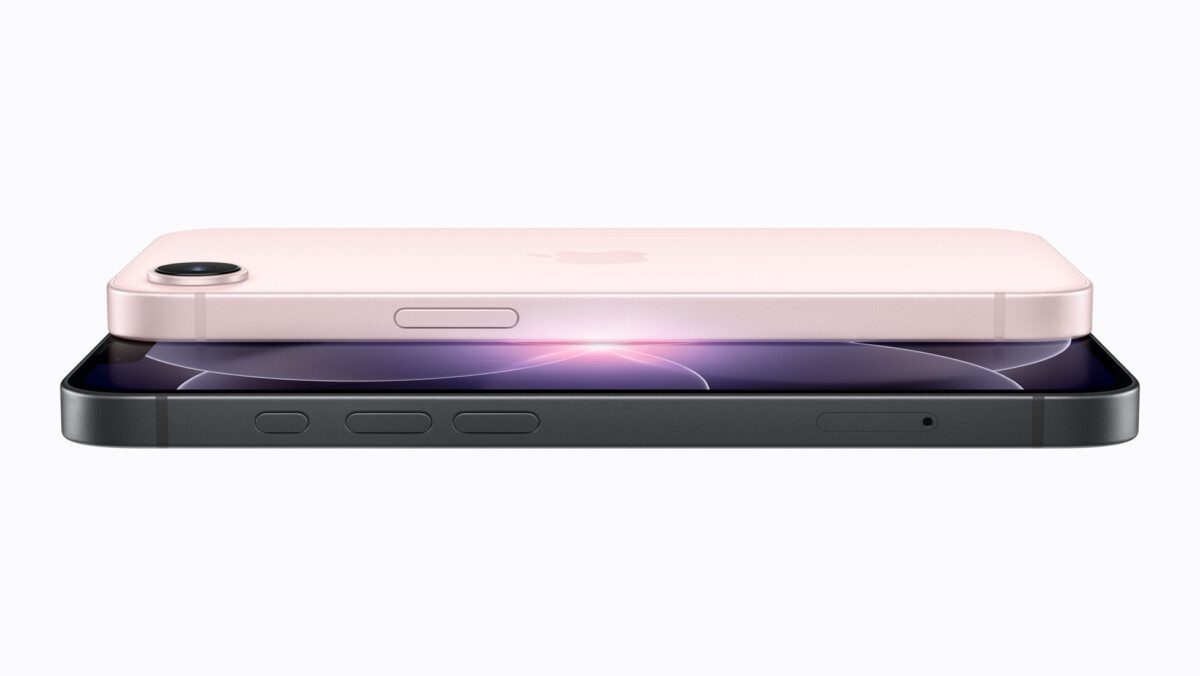
Apple has announced iPhone 17e, positioned as a value-focused model in the iPhone 17 lineup — and it’s a genuinely practical option for organisations that want to standardise devices, reduce support overhead, and keep users productive for the full lifecycle of a corporate handset.
For IT Managers, Directors, and Finance leaders, the story isn’t “a cheaper iPhone”. It’s lower friction procurement, simpler standard builds, better accessory compatibility, and stronger durability — all of which can reduce your total cost of ownership (TCO) when you’re rolling out or refreshing a fleet.
Pre-order starts 4 March and iPhone 17e is available from 11 March.
iPhone 17e: the business-friendly highlights
1) Higher starting storage helps standardise builds
iPhone 17e starts at 256GB (with higher options available). For business fleets, that matters because storage is one of the biggest drivers of “exceptions” in procurement.
More base storage means:
- fewer special orders for power users
- fewer issues with large apps, offline files, Teams/Zoom media, photos, and security tooling
- less time spent troubleshooting performance issues caused by low storage headroom
For Finance teams, standardising on a single storage tier can also simplify cost control and forecasting.
2) MagSafe + Qi2: better workplace and vehicle workflows
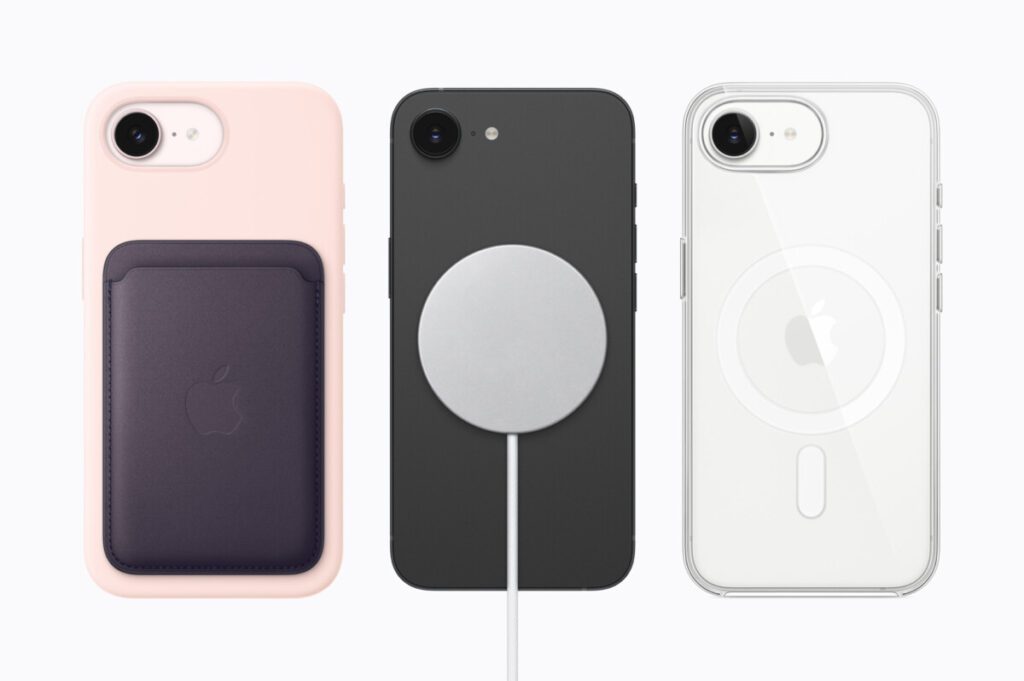
When you’re supporting mobile teams, the accessory ecosystem matters. iPhone 17e includes MagSafe and Qi2, which makes it much easier to standardise:
- desk charging stands
- meeting room charging points
- vehicle mounts and in-car charging
- rugged MagSafe-compatible cases for field users
Standardising accessories reduces helpdesk tickets, reduces “lost charger” chaos, and makes it easier to kit out new starters quickly.
3) Durability upgrades reduce break/fix cost
Device damage is one of the most avoidable costs in a mobile estate. Apple highlights improved front glass protection and scratch resistance, which should translate into fewer screen replacements and fewer “phone out of action” days.
For CFOs, that’s directly linked to:
- lower repair spend
- fewer replacements
- less downtime and admin overhead
4) Modern platform performance for longer lifecycle planning
From a lifecycle perspective, businesses want devices that stay responsive through several years of OS upgrades and security updates. iPhone 17e’s platform updates are designed to deliver that “long runway” — which helps IT plan refresh cycles with fewer mid-contract performance issues.
| Category | iPhone 17e | iPhone 16e | iPhone SE (3rd gen) |
|---|---|---|---|
| Best for | Standardised corporate rollouts with modern charging + higher base storage. | Cost-controlled iPhone rollouts where MagSafe/Qi2 isn’t required. | Legacy/compact preference and basic roles; ideal to retire during refresh cycles. |
| Launch / availability | Pre-order 4 March • Available 11 March | Earlier “e” generation (existing model) | Last SE generation (legacy model) |
| Starting storage | 256GB base (simplifies standard builds) | Lower base tier (often drives exceptions for power users) | Lower tiers common in the estate; often tight for modern apps/media |
| Chip / performance | A19 (better long-term headroom) | A18 | A15 Bionic (older platform) |
| Connectivity / modem | C1X modem (Apple states up to 2× faster than C1) | C1 modem | 5G supported (older generation radio platform) |
| Wireless charging | MagSafe + Qi2 up to 15W | Qi wireless (typically 7.5W) | Qi wireless (typically 7.5W) |
| Accessory ecosystem | MagSafe mounts/stands simplify desk + vehicle standards. | More accessory variance (non-MagSafe workflows). | Legacy accessories; higher risk of mismatch in mixed fleets. |
| Durability | Ceramic Shield 2 + improved scratch resistance (lower break/fix risk) | Previous-generation durability | Older glass/industrial design baseline |
| Camera (business use) | 48MP Fusion + optical-quality 2× (better site/asset documentation) | Lower generation camera system | Older camera baseline; fine for basics, weaker for detailed capture |
| Finance/TCO takeaway | Fewer exceptions (storage + accessories) + fewer repairs → improved TCO predictability. | Good cost control, but may increase accessory/storage exceptions. | Higher support overhead in modern estates; good candidate for retirement. |
If you’re considering a fleet refresh for March, we can help you plan a smooth rollout and reduce the total cost of ownership from day one.
Ready to plan your iPhone 17e business rollout?
Pre-order opens 4 March and devices are available from 11 March. Unified World can secure stock, recommend the best UK network for your users, and deliver a smooth, cost-controlled deployment.
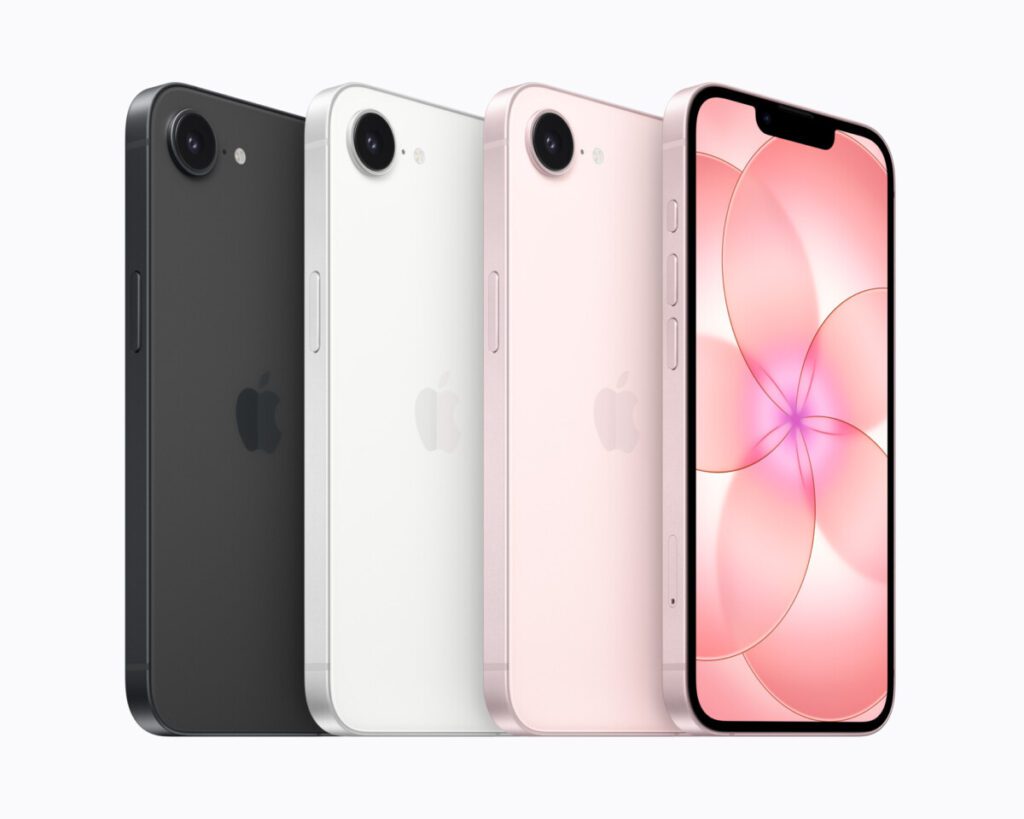
Comparison: iPhone 17e vs iPhone 16e vs the last iPhone SE
iPhone 17e vs iPhone 16e: what changes in a business rollout
If you’re deciding whether to keep ordering iPhone 16e or move your standard to 17e, the business-relevant differences are:
- Starting storage: iPhone 17e begins at a higher storage tier (helpful for standardisation)
- Charging and accessories: iPhone 17e includes MagSafe + Qi2, which supports a more consistent accessory strategy across your workforce
- Durability: improved protection and scratch resistance reduces break/fix costs
- Platform uplift: stronger performance and efficiency supports longer refresh cycles
- In short: 17e is the cleaner “fleet phone” if you want fewer accessory exceptions and fewer storage-related support issues.
iPhone 17e vs the last iPhone SE: why most fleets should modernise
Many organisations still have pockets of older iPhone SE devices because they were cost-effective and familiar. However, the modern workforce expects:
- better charging convenience
- more storage headroom
- stronger durability
- longer-term platform capability for modern apps and security controls
For IT, consolidating away from “legacy pockets” typically reduces support complexity.
For Finance, it improves predictability in replacement rates and reduces hidden admin cost.
What this means for IT Managers
Build a “One Product” policy where possible
A huge part of reducing support overhead is reducing device variance. iPhone 17e’s higher base storage and MagSafe/Qi2 support can help you move closer to a single standard model across most roles.
Refresh planning: stage, migrate, and standardise
With pre-order 4 March and availability from 11 March, IT can align:
- procurement windows
- staging and MDM enrolment
- number porting (where relevant)
- user migration comms
Reduce helpdesk noise with standard accessories
If users have the same charging and mounting ecosystem, you reduce:
- “my charger doesn’t work” tickets
- ad-hoc accessory purchases
- time spent matching cases and mounts to the wrong models
What this means for CFOs and Finance leaders
TCO is more than the handset price
The real cost of a fleet device includes:
- support time (IT and admin)
- break/fix and replacements
- productivity impact during downtime
- accessory and charger spend
- policy exceptions and one-off procurement
If iPhone 17e helps standardise storage and accessories, it can reduce the operational costs around the device, not just the purchase price.
Predictability: fewer exceptions, better budgeting
Standard builds reduce:
- surprise upgrades at order time
- inconsistent accessory purchasing
- fragmented stock and spares management
That’s better for forecasting and better for governance.
How Unified World Communications can help
At Unified World Communications, we help organisations take a business-first approach to mobile estate management — from choosing the right devices and tariffs to simplifying deployment and controlling cost.
We can support with:
- device strategy (standard model, exceptions policy, accessories)
- rollout planning and logistics
- business tariffs and contract optimisation
- onboarding and user adoption
- ongoing account management and commercial reviews
Links: